
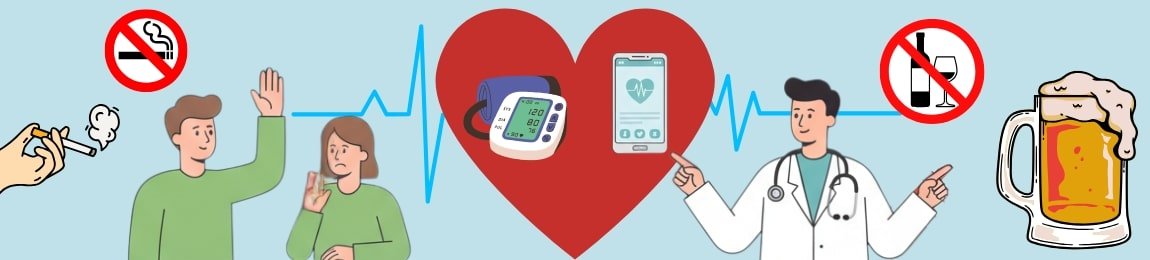
Impact of Smoking and Alcohol on Cardiovascular Health
Maintaining good heart health depends largely on our everyday lifestyle choices. Among the most harmful habits are smoking and excessive alcohol consumption, both of which severely damage the cardiovascular system. These habits not only increase the risk of heart disease but also contribute to hypertension, stroke, and long-term vascular damage. According to global health reports, smoking remains one of the leading contributors to cardiovascular deaths, while heavy alcohol consumption is strongly linked to high blood pressure, irregular heart rhythms, and heart failure. Understanding these risks is the first step towards better choices and lifelong heart protection.
How Smoking Affects the Cardiovascular System
Cigarette smoke contains more than 7,000 toxic chemicals, including nicotine, carbon monoxide, and tar. When inhaled, these chemicals immediately begin to damage the inner lining of blood vessels, making them narrow, stiff, and prone to blockages.
Key Effects of Smoking on the Heart
- Nicotine raises heart rate and blood pressure, putting stress on the arteries.
- Carbon monoxide reduces oxygen supply, forcing the heart to work harder.
- Toxins promote blood clot formation, increasing the risk of sudden heart attacks.
Even second-hand smoke can cause similar damage, increasing the risk of cardiovascular complications among non-smokers.
Long-Term Risks of Smoking
- Doubled risk of heart attack and stroke
- Rapid hardening of arteries (atherosclerosis)
- Higher chances of heart failure
- Increased risk of sudden cardiac death
How Alcohol Affects Cardiovascular Health
Alcohol has different effects depending on the amount consumed. While some studies mention mild benefits of occasional moderate drinking, excessive intake causes direct harm to the heart.
Key Effects of Heavy Drinking
- Raises blood pressure significantly—a major contributor to hypertension
- Causes arrhythmias, or irregular heartbeats
- Weakens heart muscle, known as alcoholic cardiomyopathy
- Raises triglyceride levels, increasing plaque buildup
Long-Term Risks
- Higher risk of stroke
- Greater chances of heart failure
- Increased risk of diabetes and obesity
- Liver damage, which indirectly affects heart function
Excessive alcohol intake is a leading cause of uncontrolled blood pressure, making early Hypertension Treatment essential for long-term heart protection.
Combined Effects of Smoking and Alcohol
When smoking and drinking are combined, their negative impact on the heart multiplies. Both habits contribute to inflammation, poor oxygen supply, high blood pressure, and faster plaque buildup.
Combined Effects Include
- Accelerated damage to blood vessel walls
- Increased risk of blood clots
- Rapid progression of heart disease
- Higher mortality from cardiovascular causes
This combination significantly elevates the chances of heart attacks and strokes, making early Stroke Prevention crucial for at-risk individuals.
How to Protect Your Heart from Smoking and Alcohol Damage
The encouraging news is that much of the damage caused by these habits can be reduced—sometimes even reversed— with healthier choices.
Steps Toward Better Heart Health
- Quit smoking: Heart attack risk drops significantly within one year of quitting.
- Limit alcohol intake: Follow safe drinking guidelines and avoid binge drinking.
- Eat a heart-healthy diet: Include fruits, vegetables, whole grains, nuts, and lean proteins.
- Exercise regularly: At least 150 minutes of weekly exercise improves circulation and heart strength.
- Manage stress: Meditation, yoga, and good sleep help reduce cardiovascular strain.
- Get routine check-ups: Early detection of heart issues can prevent severe complications.
If you experience persistent chest discomfort, shortness of breath, palpitations, or high blood pressure, visit the Best Heart Hospital in Nagpur for timely evaluation and personalised heart care.
Frequently Asked Questions (FAQs)
1. How does smoking damage the heart?
Smoking damages blood vessels, reduces oxygen in the bloodstream, raises blood pressure, and increases the risk of blood clots—all of which lead to heart disease.
Can alcohol damage the heart?
3. Is moderate drinking safe for the heart?
4. Can the heart recover after quitting smoking?
5. When should I seek medical help?
Smoking and excessive alcohol consumption have a profound impact on heart health. They damage blood vessels, reduce oxygen supply, raise blood pressure, weaken heart muscles, and significantly increase the risk of heart attacks and strokes. If you are experiencing persistent symptoms or want expert guidance, consulting a Cardiologist in Nagpur can help you understand your risks and take preventive steps. The good news is that taking timely action—quitting smoking, moderating alcohol intake, and living a heart-healthy lifestyle—can dramatically reduce these risks.
Your heart works for you every second. Protect it by making conscious lifestyle choices today.