

How Diabetes Affects Your Eyes, Heart, and Kidneys: What You Need to Know
Diabetes doesn’t just affect your blood sugar — it impacts your entire body. From blurred vision and heart complications to kidney damage, the long-term effects of poorly managed diabetes can be life-altering. Yet many people remain unaware of how closely connected their eyes, heart, and kidneys are to their blood glucose levels.
We’ll explore how diabetes silently harms these vital organs, the symptoms you should never ignore, and the steps you can take through proper diabetes treatment to prevent serious complications. Whether you’re newly diagnosed or managing diabetes for years, understanding how diabetes affects your organs can empower you to take better control of your health.
Understanding Diabetes and Its Systemic Impact
Diabetes is a chronic condition that occurs when the body cannot effectively regulate blood glucose levels. There are two main types — Type 1 and Type 2 — both of which can lead to long-term complications if not properly managed.
When blood sugar remains high over time, it can cause damage to blood vessels and nerves throughout the body. This is particularly dangerous for organs like the eyes, heart, and kidneys, which rely on healthy blood flow to function properly.
1. How Diabetes Affects Your Eyes
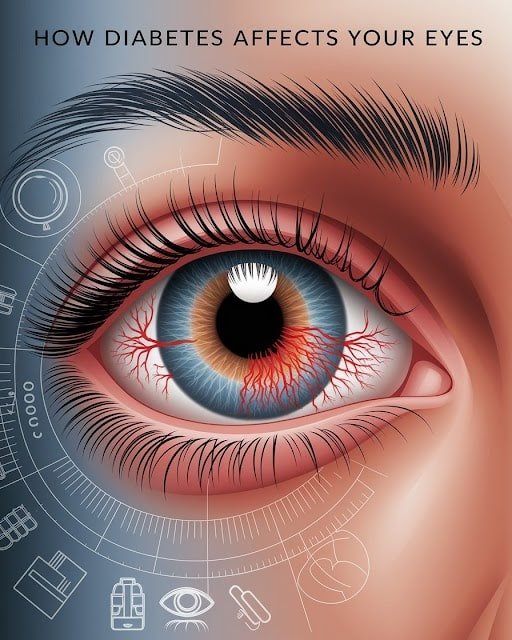
Diabetic Retinopathy: The Silent Vision Thief
One of the most common eye complications in people with diabetes is diabetic retinopathy. This condition occurs when high blood sugar levels damage the tiny blood vessels in the retina, the part of the eye responsible for capturing images.
Symptoms of diabetic eye problems:
- Blurred or distorted vision
- Floaters (small spots drifting across your vision)
- Sudden vision loss in one or both eyes
- Trouble seeing at night
Initially, diabetic retinopathy might not cause any symptoms, which is why routine eye exams are essential. If left untreated, it can progress to more serious conditions like macular oedema, glaucoma, or even complete vision loss.
Preventing Eye Complications
- Keep blood sugar levels within the target range
- Monitor blood pressure and cholesterol
- Get an eye examination at least once a year
- Quit smoking and maintain a healthy lifestyle
2. Diabetes and the Heart: A Dangerous Link
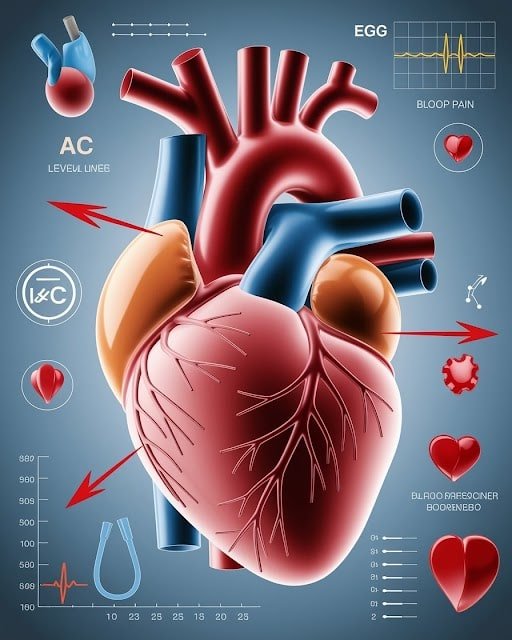
Cardiovascular Disease and Diabetes
Your heart is particularly vulnerable to the effects of diabetes. People with diabetes are two to four times more likely to develop heart disease compared to those without the condition. Prolonged high blood sugar can lead to:
- Hardening of the arteries (atherosclerosis)
- High blood pressure
- Increased levels of bad cholesterol (LDL)
These risk factors make heart attacks, strokes, and heart failure much more likely in diabetic individuals.
Warning Signs of Heart Disease in Diabetics:
- Chest pain or tightness
- Shortness of breath
- Swelling in the legs or feet
- Fatigue or irregular heartbeat
How to Protect Your Heart
- Eat a balanced, heart-friendly diet low in salt and saturated fats
- Engage in regular physical activity
- Take prescribed medications for blood pressure and cholesterol
- Monitor blood glucose and A1C levels regularly
- Limit alcohol and avoid smoking

3. Kidney Problems Due to Diabetes
Diabetic Nephropathy: The Kidney Connection
Your kidneys act as a filtration system, removing waste and excess fluids from the body. In diabetics, excess glucose in the blood puts strain on the kidneys, damaging the filtering units (glomeruli) and leading to diabetic nephropathy.
Kidney damage often progresses silently, with few or no symptoms in the early stages. Left unchecked, it can lead to chronic kidney disease (CKD) and eventually kidney failure, requiring dialysis or a transplant.
Symptoms of Kidney Damage:
- Swelling in the ankles, feet, or hands
- Fatigue and weakness
- Foamy urine
- Increased need to urinate, especially at night
- High blood pressure that’s hard to control
Preventing Kidney Complications
- Get regular kidney function tests (creatinine and urine protein levels)
- Control your blood sugar and blood pressure
- Eat a kidney-friendly diet (low in salt and processed foods)
- Avoid overuse of NSAIDs and certain antibiotics
- Stay hydrated and maintain a healthy weight
The Importance of Early Detection and Monitoring
One of the most powerful tools in preventing diabetes-related complications is regular health monitoring. Many eye, heart, and kidney issues can be caught in the early stages through routine check-ups and screenings.
Recommended Tests for Diabetics:
- Annual eye exams with dilation
- Regular blood pressure checks
- Cholesterol level monitoring
- Kidney function tests every 6–12 months
- ECG and echocardiograms if heart symptoms are present
Lifestyle Tips to Protect Your Vital Organs
Managing diabetes effectively is a lifelong commitment, but small changes can lead to big results.
Healthy Habits to Adopt:
- Eat well: Focus on whole grains, vegetables, lean proteins, and fruits in moderation
- Stay active: Aim for at least 150 minutes of moderate-intensity exercise per week
- Manage stress: Chronic stress can raise blood sugar; try meditation or yoga
- Stay informed: Educate yourself on diabetes and regularly consult your healthcare provider
- Take your medication: Never skip your insulin or oral medications without consulting a doctor
Living with diabetes doesn’t mean you’re doomed to face serious health problems — but it does mean you need to be proactive. Your eyes, heart, and kidneys are particularly vulnerable, but with regular monitoring, lifestyle changes, and medical support from the best diabetologists in Nagpur, you can protect these vital organs.
If you’re experiencing any unusual symptoms or haven’t had a full health screening in over a year, don’t wait. Take the first step towards protecting your health today.