Stroke Awareness: Prevention, Warning Signs, and Recovery Strategies
Stroke is one of the most serious and life-threatening medical emergencies, often referred to as a “brain attack.” It happens when the blood supply to part of the brain is blocked or reduced, depriving brain tissue of the oxygen and nutrients it needs to survive. Within minutes, brain cells begin to die, which is why recognising stroke symptoms quickly and getting immediate medical attention is critical. Increasing stroke awareness is not only about understanding the causes and risk factors but also about stroke prevention, identifying early warning signs, and learning about treatment for a brain stroke and recovery strategies that can significantly improve quality of life.
What Is a Stroke?
A stroke is a medical emergency that can affect anyone, regardless of age or lifestyle, though certain factors increase the risk. There are two primary types:
- Ischaemic stroke – Caused by a blockage, such as a blood clot, that interrupts blood flow to the brain.
- Haemorrhagic stroke – Occurs when a blood vessel in the brain ruptures, leading to bleeding in or around the brain.
A related condition, known as a Transient Ischaemic Attack (TIA) or “mini-stroke,” produces similar symptoms but is temporary. However, it serves as a serious warning of potential major strokes in the future, and in some severe neurological cases, timely evaluation may even determine whether advanced treatments or brain surgery are required to prevent long-term damage.
Understanding Stroke Risk Factors
Prevention begins with recognising what increases stroke risk. While some factors cannot be changed, such as age and family history, many lifestyle-related risks are controllable.
- High blood pressure – The leading cause of stroke.
- Smoking – Damages blood vessels and increases clot formation.
- Diabetes – Raises risk due to vascular complications.
- Obesity and poor diet – Linked to hypertension and high cholesterol.
- Lack of physical activity – Reduces cardiovascular health.
- Excessive alcohol consumption – Elevates blood pressure and stroke risk.
- Heart disease or atrial fibrillation – Increases the likelihood of clot formation.
By managing these risks, individuals can significantly lower their chances of experiencing a stroke.
Prevention Strategies for Stroke
Stroke prevention is rooted in a healthy lifestyle and proactive healthcare. Here are the most effective strategies:
1. Maintain Healthy Blood Pressure
Regularly monitor and manage your blood pressure through diet, exercise, and, when necessary, prescribed medication.
2. Adopt a Balanced Diet
A diet rich in fruits, vegetables, whole grains, lean protein, and healthy fats supports vascular health. Reducing salt, sugar, and processed foods helps control blood pressure and cholesterol.
3. Stay Physically Active
Aim for at least 150 minutes of moderate aerobic activity weekly, such as brisk walking, cycling, or swimming. Exercise helps maintain a healthy weight and improves circulation.
4. Quit Smoking
Stopping smoking immediately lowers stroke risk and benefits overall cardiovascular health.
5. Limit Alcohol Consumption
Moderation is key. Excessive drinking can lead to high blood pressure and irregular heart rhythms.
6. Manage Chronic Conditions
Those with diabetes, heart disease, or high cholesterol should follow medical advice, attend regular check-ups, and take prescribed treatments seriously.
Recognising the Warning Signs of Stroke
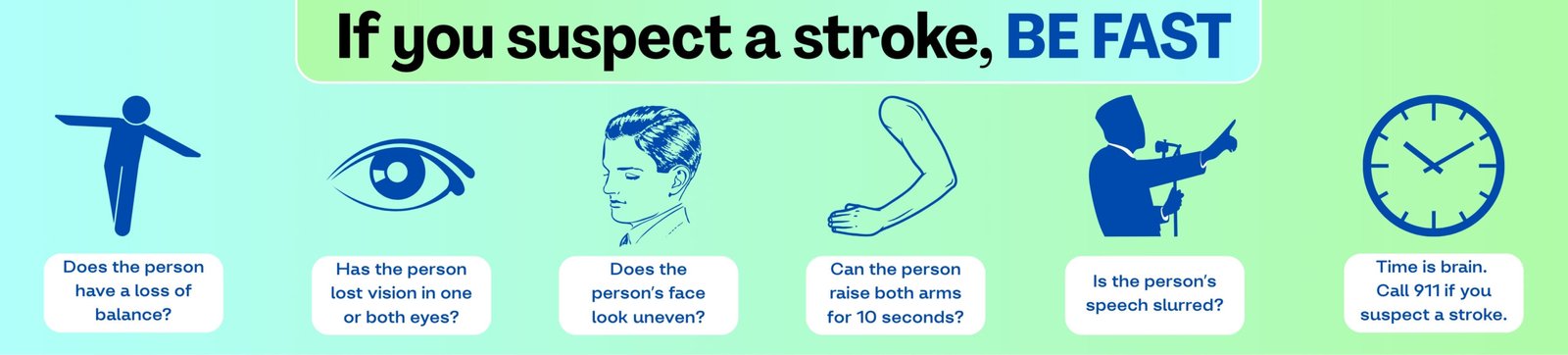
In stroke emergencies, every second counts because time is brain. Early recognition of symptoms can save lives and reduce the risk of long-term disability. Understanding the symptoms of a brain stroke is crucial, as quick action can make a life-saving difference. One of the most effective ways to identify a stroke is by using the FAST test.
- F – Face: Is one side of the face drooping?
- A – Arms: Can the person raise both arms, or is one arm weak?
- S – Speech: Is speech slurred, strange, or absent?
- T – Time: If any of these signs are present, call emergency services immediately.
Other possible warning signs include sudden confusion, vision problems, dizziness, severe headache, or difficulty walking. Even if symptoms disappear quickly, a medical evaluation is vital.
Immediate Response: What to Do in Case of Stroke
If someone is suspected of having a stroke:
- Call emergency services immediately.
- Do not wait – time-critical treatments like clot-busting drugs must be given within hours of symptom onset.
- Note the time symptoms began. This information is vital for healthcare providers.
- Keep the person safe and comfortable until help arrives.
Stroke Recovery Strategies
Recovery after a stroke can be a long journey, but many people regain independence and quality of life with the right support. Rehabilitation begins in the hospital and often continues at home or specialised centres.
1. Physical Rehabilitation
- Physiotherapy helps improve mobility, strength, and coordination.
- Occupational therapy focuses on relearning everyday tasks like dressing and cooking.
2. Speech and Language Therapy
Strokes often affect speech and comprehension. Speech therapists assist patients in regaining communication skills and swallowing abilities.
3. Emotional and Psychological Support
Depression and anxiety are common after a stroke. Counselling, support groups, and family involvement play a crucial role in emotional recovery.
4. Medication and Follow-Up Care
Patients may be prescribed blood thinners, blood pressure medication, or statins to prevent another stroke. Regular check-ups ensure ongoing risk management.
5. Lifestyle Adjustments
Adopting healthier habits – such as better nutrition, regular exercise, and stress management – supports both recovery and long-term prevention.
Supporting Stroke Survivors and Families
Recovery is not only a medical process but also a social and emotional one. Families play an essential role by:
- Encouraging rehabilitation exercises.
- Providing emotional support and patience.
- Helping manage appointments and medications.
- Adapting the home environment for accessibility and safety.
Frequently Asked Questions (FAQs)
What are the early warning signs of a stroke?
Early signs include sudden face drooping, arm weakness, slurred or confused speech, blurred vision, dizziness, or a severe headache. If any of these occur, seek emergency medical help immediately.
Can a stroke be prevented?
How is a stroke diagnosed?
How long does recovery take after a stroke?
What treatments are available for stroke patients?
Can stroke happen again?
Stroke awareness plays a crucial role in reducing its devastating effects on individuals and communities. By understanding the risk factors, adopting prevention strategies, and recognising early warning signs, it is possible to save lives and minimise long-term disability. Recovery is equally important and can be supported through rehabilitation, emotional care, and positive lifestyle changes. Although strokes are serious, they are not unavoidable – with the right awareness, timely medical intervention, and continuous management, people can protect their health and improve their chances of prevention and recovery. For those in need of expert care, a consulting neurosurgeon in Nagpur can make a significant difference in treatment and long-term outcomes.