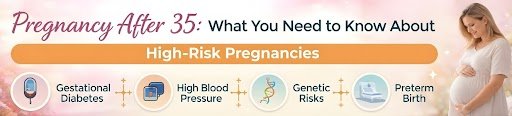
Pregnancy After 35: What You Need to Know About High-Risk Pregnancies
In today’s world, many women are choosing to start families later in life — building careers, finding the right partner, or simply waiting until they feel ready. If you’re pregnant at 35 or older, you may have heard the term “high-risk pregnancy,” which can sound alarming. But here’s the reassuring truth: millions of women over 35 have healthy pregnancies and healthy babies every year
What matters most is awareness, proper medical care, and a healthy lifestyle. This guide explains what pregnancy after 35 really means, the risks involved, and how to navigate this journey confidently.
Why Pregnancy After 35 Is Considered “High Risk”
Medical professionals often refer to pregnancy after 35 as “advanced maternal age.” This doesn’t mean something will go wrong – it simply indicates that certain complications become more likely due to natural biological changes.
As women age:
- Egg quantity and quality decline
- The risk of chromosomal abnormalities increases
- Existing health conditions may be more common
- Pregnancy complications occur more frequently
Doctors classify these pregnancies as high risk to ensure closer monitoring and preventive care, not to create fear, especially when you are guided by the Best Gynecologist & Obstetrician in Nagpur.
Fertility Changes After 35
One of the first challenges many women face is conceiving.
Women are born with a fixed number of eggs. By the mid-30s:
- Ovarian reserve decreases
- Ovulation may become less regular
- Egg quality declines
- Time to conceive increases
This doesn’t mean pregnancy is impossible, far from it. Many women conceive naturally in their late 30s and early 40s. However, it may take longer, and fertility support may sometimes be needed.
Increased Risk of Pregnancy Complications
Pregnancy after 35 is associated with a higher likelihood of certain medical conditions. Again, these are possibilities, not certainties.
1. Gestational Diabetes
Gestational Diabetes occurs when blood sugar levels rise during pregnancy.
Women over 35 are more susceptible because the body may become less efficient at processing insulin with age.
Possible effects include:
- Larger baby size
- Increased chance of C-section
- Risk of developing type 2 diabetes later
The good news: It can usually be managed with diet, exercise, and sometimes medication.
2. High Blood Pressure and Preeclampsia
Older mothers have a higher risk of pregnancy-related hypertension, including Preeclampsia, a serious condition involving high blood pressure and organ stress.
Symptoms may include:
- Severe headaches
- Swelling in the hands and face
- Vision changes
- Upper abdominal pain
Early detection through prenatal visits is crucial.
3. Miscarriage Risk
The chance of Miscarriage increases with age, largely due to chromosomal abnormalities in the embryo.
Approximate risk by age:
- Under 35: Lower risk
- 35–39: Moderately increased
- 40+: Significantly higher
While statistics can sound discouraging, many women still go on to have successful pregnancies.
4. Chromosomal Conditions
Egg quality changes over time, increasing the chance of genetic conditions such as Down Syndrome and other Chromosomal Abnormalities.
Modern prenatal screening tests can detect many of these conditions early in pregnancy, allowing families to make informed decisions and prepare for care.
5. Placental Complications
Older mothers have a slightly higher risk of placental issues, including:
- Placenta Previa – placenta covering the cervix
- Placental Abruption – placenta separating from the uterus
Both conditions require close medical supervision but are manageable with timely care.
6. Preterm Birth and Low Birth Weight
Babies born to older mothers are somewhat more likely to arrive early or weigh less at birth. Advanced monitoring helps doctors intervene if needed.
7. Stillbirth Risk
Although still uncommon, the risk of Stillbirth rises slightly with maternal age. This is why healthcare providers often recommend additional scans and fetal monitoring later in pregnancy.
Emotional Aspects of Pregnancy After 35
Physical risks are only part of the story. Many women also experience emotional challenges:
- Anxiety about complications
- Pressure to “get everything right.”
- Fear of infertility or loss
- Balancing pregnancy with career or caregiving
On the positive side, older mothers often report feeling:
- Financially stable
- Financially stable
- Confident in parenting decisions
- Supported by established relationships
Benefits of Having a Baby Later in Life
Pregnancy after 35 isn’t just about risks; there are meaningful advantages too.
Greater Emotional Maturity
Older parents often feel more patient, grounded, and ready for the responsibilities of raising a child.
Financial Stability
Many couples have established careers, savings, and housing, which can reduce stress during early parenthood.
Stronger Support Systems
Long-term relationships and social networks can provide valuable emotional and practical support.
Intentional Parenting
Later pregnancies are often planned and deeply desired, which can positively influence parenting approaches.
Prenatal Care Is Especially Important
If you’re pregnant after 35, regular medical care is your strongest ally
Your provider may recommend:
- More frequent prenatal visits
- Genetic screening tests
- Detailed ultrasound scans
- Blood pressure monitoring
- Glucose testing
- Fetal growth assessments
These measures help detect issues early and ensure timely treatment.
Tests Commonly Offered for Older Mothers
Noninvasive Prenatal Testing (NIPT)
A simple blood test that screens for chromosomal conditions using fetal DNA in the mother’s bloodstream.
Detailed Anatomy Scan
A comprehensive ultrasound to examine the baby’s organs, growth, and development.
Amniocentesis (if needed)
A diagnostic test that analyzes amniotic fluid for genetic conditions. It is optional and usually offered when screening tests indicate increased risk.
Tips for a Healthy Pregnancy After 35
While age cannot be changed, many lifestyle choices can significantly improve outcomes.
Eat a Nutrient-Rich Diet
Focus on:
- Fruits and vegetables
- Lean proteins
- Whole grains
- Calcium-rich foods
- Iron-rich foods
- Prenatal vitamins with folic acid
Stay Physically Active
With your doctor’s approval, safe activities include:
- Walking
- Prenatal yoga
- Swimming
- Light strength training
Exercise improves circulation, mood, and blood sugar control.
Prioritize Rest
Pregnancy fatigue can be stronger after 35. Aim for quality sleep and rest when needed.
Avoid Harmful Substances
Eliminate:
- Smoking
- Alcohol
- Recreational drugs
- Excess caffeine
These factors increase pregnancy risks at any age.
Manage Stress
Chronic stress can affect both mother and baby. Helpful strategies include:
- Meditation or mindfulness
- Gentle breathing exercises
- Counseling or support groups
- Talking openly with loved ones
Preparing for Delivery
Women over 35 have a higher likelihood of cesarean delivery, but many still deliver vaginally without complications.
Your provider will monitor:
- Baby’s position
- Placental health
- Labor progress
- Maternal well-being
In some cases, labor may be induced earlier to reduce risks associated with prolonged pregnancy.
When to Seek Immediate Medical Care
Contact your healthcare provider urgently if you experience:
- Severe abdominal pain
- Heavy bleeding
- Sudden swelling of the face or hands
- Persistent headaches
- Decreased baby movements
- Vision disturbances
The Bottom Line: High Risk Doesn’t Mean Hopeless
The term “high risk” can sound intimidating, but it simply means extra attention and monitoring, not inevitable complications.
With modern healthcare, most women over 35:
- Carry pregnancies successfully
- Deliver healthy babies
- Recover well postpartum
Your age is only one piece of the puzzle. Overall health, prenatal care, lifestyle, and support systems matter just as much, or often more.
Frequently Asked Questions (FAQs)
Is pregnancy after 35 considered high risk?
Yes, pregnancy after 35 is classified as high risk due to increased chances of complications such as gestational diabetes, high blood pressure, and chromosomal abnormalities. However, many women still have healthy pregnancies.
Can I have a healthy baby after 35?
Why does fertility decline after 35?
What tests are recommended for pregnancy after 35?
Is miscarriage more common after 35?
Are C-sections more likely for older mothers?
If you’re pregnant after 35, remember this: you are not alone, and you are not doomed to complications. Many women describe later motherhood as deeply rewarding and empowering.
Stay informed, attend your appointments, follow medical advice, and take care of your physical and emotional well-being. With guidance from the Best Gynecologist in Nagpur, this can be a joyful and safe journey toward welcoming your baby.
Take the next step toward a safe and healthy pregnancy after 35. Consult the experts at Synergy Multispeciality Hospital for advanced prenatal care and personalized support. Book your appointment today for the best start for you and your baby.
.svg)
.svg)