
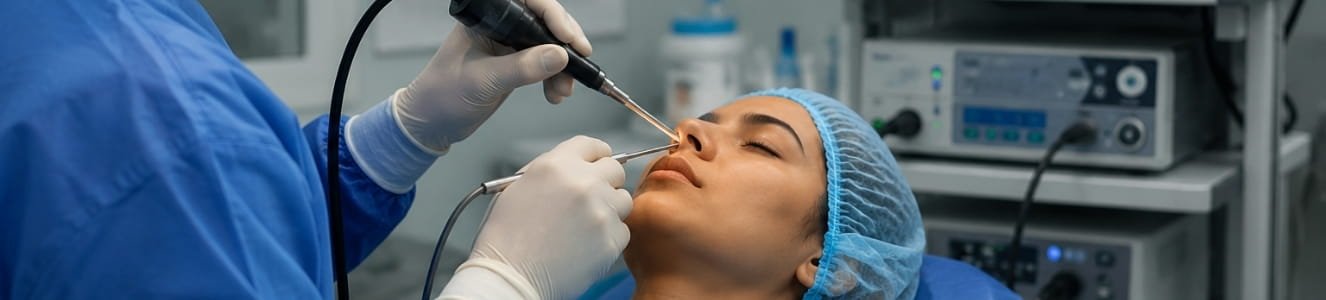
From Sinus Pressure to Relief: How Endoscopic Nasal Surgery Works
Sinus pressure is more than just a seasonal inconvenience. For many people, it becomes a constant struggle that affects breathing, sleep, concentration, and overall quality of life. Persistent nasal blockage, headaches, facial pain, and repeated infections can make even routine activities exhausting. While medicines and lifestyle changes may help temporarily, some cases require advanced medical intervention for long-term relief.
This is where endoscopic nasal surgery has transformed ENT treatment. Today, advanced sinus surgery techniques are helping patients recover faster with minimal discomfort and better outcomes. If you are suffering from chronic sinus issues or breathing difficulties, understanding how this procedure works can help you make an informed decision.
Understanding Chronic Sinus Pressure and Its Root Causes
Chronic sinus pressure usually develops when the sinus passages become inflamed or blocked for a long period. The sinuses are hollow spaces inside the skull that help filter air, maintain moisture, and reduce the weight of the head. When mucus cannot drain properly, pressure builds, leading to discomfort.
Common Causes of Chronic Sinus Problems
Nasal Polyps
Soft, non-cancerous growths inside the nasal cavity can block airflow and mucus drainage.
Deviated Nasal Septum
A bent nasal septum can restrict breathing and increase the risk of sinus infections.
Chronic Sinusitis
Long-term inflammation due to allergies, infections, or pollution may lead to repeated sinus blockage.
Allergies and Pollution
Dust, smoke, pollen, and environmental irritants often worsen sinus conditions, especially in urban areas.
Recurrent Infections
Repeated colds or untreated sinus infections can damage the sinus lining over time.
People dealing with chronic sinus pressure often experience:
- Persistent headache
- Facial heaviness
- Nasal congestion
- Difficulty breathing
- Snoring or disturbed sleep
- Reduced sense of smell
- Post-nasal drip
When these symptoms continue despite medications, doctors may recommend nasal blockage surgery or advanced sinus surgery for permanent relief.
What Is Endoscopic Nasal Surgery?
Endoscopic nasal surgery is a minimally invasive procedure performed using a thin, flexible instrument called an endoscope. The endoscope has a tiny camera and light source that allows ENT surgeons to view the nasal and sinus passages clearly without making large external cuts.
This procedure is commonly used to treat:
- Chronic sinusitis
- Nasal polyps
- Blocked sinus openings
- Deviated septum
- Fungal sinus infections
- Certain nasal tumours
The primary goal of endoscopic nasal surgery is to restore normal drainage and airflow inside the nose and sinuses.
Modern ENT specialists perform this procedure with high-definition imaging systems that improve surgical precision and patient safety.
Step-by-Step: How the Procedure Is Performed
Understanding the surgical process can reduce anxiety and help patients feel more confident before treatment.
Pre-Surgery Evaluation
Before surgery, the ENT specialist conducts:
- Nasal endoscopy examination
- CT scan of the sinuses
- Allergy assessment
- Medical history review
These tests help identify the exact location and severity of the blockage.
Anaesthesia Administration
The surgery is usually performed under general anaesthesia, ensuring that the patient remains comfortable throughout the procedure.
Insertion of the Endoscope
The surgeon inserts a small endoscope through the nostrils. Since there are no external incisions, the procedure is considered minimally invasive.
Removal of Blockages
Using specialised instruments, the surgeon removes:
- Inflamed tissue
- Nasal polyps
- Obstructive bone fragments
- Thick mucus buildup
If required, the sinus openings are widened to improve drainage and airflow.
Correction of Structural Problems
In some cases, septoplasty may also be performed alongside nasal blockage surgery to straighten a deviated septum.
Completion of Surgery
Once the sinus pathways are cleared, the instruments are removed. Most patients can go home the same day or within 24 hours, depending on their condition.
Benefits of Endoscopic Nasal Surgery for Long-Term Relief
One of the biggest advantages of modern sinus surgery is that it offers long-lasting relief without extensive cuts or prolonged hospital stays.
Improved Breathing
Patients often experience significant improvement in nasal airflow after surgery.
Reduced Sinus Infections
By restoring proper drainage, the procedure reduces the chances of repeated infections.
Better Sleep Quality
Many patients report better sleep and reduced snoring after surgery.
Minimal Scarring
Since the surgery is performed internally through the nostrils, there are no visible scars.
Faster Recovery
Compared to traditional procedures, it usually involves less pain and shorter recovery time.
Enhanced Quality of Life
Relief from constant headaches, facial pressure, and congestion helps patients return to normal daily activities comfortably.
ENT specialists combine advanced surgical techniques with personalised care to ensure optimal recovery and long-term sinus health.
Recovery, Aftercare, and What to Expect Post-Surgery
Recovery after the surgery is generally smooth, but proper aftercare is essential for the best results.
Immediate Recovery
Patients may experience:
- Mild nasal congestion
- Slight bleeding
- Temporary swelling
- Minor discomfort
These symptoms usually improve within a few days.
Nasal Care Instructions
Doctors often recommend the following:
- Saline nasal rinses
- Prescribed medications
- Steam inhalation
- Avoiding dust and smoke
Proper nasal hygiene helps prevent infections and promotes healing.
Follow-Up Visits
Regular follow-up appointments allow the ENT specialist to monitor healing and, if necessary, clean the nasal passages.
Activity Restrictions
Patients are generally advised to avoid:
- Heavy lifting
- Strenuous exercise
- Nose blowing for a few days
Most individuals can resume normal activities within one to two weeks.
Long-Term Results
When performed by experienced ENT surgeons, endoscopic nasal surgery provides lasting relief and significantly improves breathing and sinus function.
Why Choosing the Right Hospital Matters
ENT surgeries require precision, experience, and advanced technology. Choosing a trusted and experienced hospital can make a major difference in surgical outcomes.
A good nasal endoscopy hospital offers:
- Skilled ENT surgeons
- Advanced endoscopic equipment
- Comprehensive diagnostic support
- Personalised treatment plans
- Post-surgical care and guidance
Patients should always consult qualified ENT specialists before deciding on surgery.
Frequently Asked Questions (FAQs)
Is endoscopic nasal surgery painful?
The surgery is performed under anaesthesia, so patients do not feel pain during the procedure. Mild discomfort after surgery is manageable with medications.
How long does recovery take after sinus surgery?
Can nasal blockage surgery permanently cure sinus problems?
Is hospitalisation required after surgery?
Who is an ideal candidate for endoscopic nasal surgery?
Living with chronic sinus pressure can affect every aspect of daily life, from sleep and concentration to breathing and overall comfort. Fortunately, modern endoscopic nasal surgery has made treatment safer, more effective, and less invasive than ever before.
With the help of experienced ENT specialists and advanced technology available at a top nasal endoscopy Hospital in Nagpur, patients can achieve lasting relief from sinus pain, congestion, and breathing difficulties.
If you have been struggling with persistent sinus symptoms for months, consulting an ENT expert at the right time can help you breathe easier and improve your quality of life.