
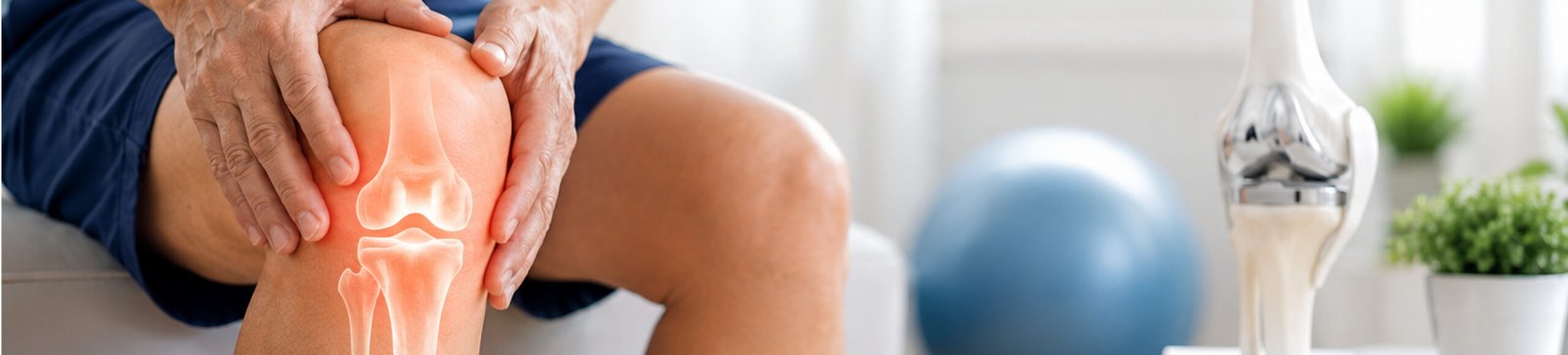
How Knee Replacement Surgery Can Improve Mobility and Quality of Life
Knee pain can significantly affect daily activities, making simple movements such as walking, climbing stairs, or standing for extended periods difficult. For individuals suffering from severe knee arthritis or joint damage, a knee operation may be recommended when conservative treatments no longer provide relief. Knee replacement surgery is one of the most successful orthopedic procedures performed today, helping patients regain mobility, reduce pain, and improve their overall quality of life.
Understanding Knee Replacement Surgery and When It’s Recommended
Knee replacement surgery is a procedure in which damaged or worn-out parts of the knee joint are replaced with artificial components designed to restore function and movement. It is typically recommended for patients experiencing chronic knee pain caused by conditions such as the following:
- Osteoarthritis
- Rheumatoid arthritis
- Post-traumatic arthritis
- Severe knee injuries
- Joint deformities affecting mobility
Doctors usually recommend surgery only after non-surgical options such as medications, physiotherapy, lifestyle modifications, and other forms of treatment have failed to provide sufficient relief. A thorough evaluation by an orthopedic specialist helps determine whether knee replacement is the most appropriate option.
The Benefits of Knee Replacement for Mobility and Function
One of the primary goals of knee replacement surgery is to restore comfortable movement and improve everyday functioning. Patients who struggle with constant knee pain often find that surgery enables them to perform activities that were previously difficult or impossible.
Some key benefits include:
Significant Pain Relief
Most patients experience a substantial reduction in chronic knee pain after recovery. This improvement allows them to move more freely and participate in routine activities without discomfort.
Improved Mobility
A damaged knee joint can severely restrict movement. Knee replacement helps restore joint function, making walking, standing, and climbing stairs easier.
Better Joint Stability
A weakened or damaged knee may feel unstable. Surgery improves alignment and support, helping patients feel more confident during movement.
Enhanced Independence
With less pain and improved mobility, patients often regain the ability to perform daily tasks independently, reducing reliance on family members or caregivers.
How Knee Replacement Can Help You Return to an Active Lifestyle
Many individuals with severe knee problems gradually reduce their physical activity due to pain and stiffness. Unfortunately, inactivity can lead to weight gain, muscle weakness, and further health complications.
Following recovery, many patients are able to return to a more active lifestyle. Activities that may become easier include:
- Walking for exercise
- Travelling comfortably
- Gardening
- Light recreational sports
- Household activities
- Social and community participation
Regular physical activity is essential for maintaining cardiovascular health, muscle strength, and overall well-being. By restoring knee function, surgery can help patients enjoy a more active and fulfilling life.
In many cases, a comprehensive orthopedic treatment plan includes pre-surgical assessment, rehabilitation, physiotherapy, and long-term follow-up care to maximise recovery outcomes.
Life Before and After Knee Replacement: What Changes Can You Expect?
Living with advanced knee arthritis often involves persistent pain, limited movement, disturbed sleep, and reduced participation in daily activities. Many patients also experience emotional stress due to their inability to maintain an active lifestyle.
Before Surgery
Patients commonly report:
- Constant knee pain
- Swelling and stiffness
- Difficulty walking
- Reduced range of motion
- Trouble climbing stairs
- Dependence on pain medications
After Surgery
Although recovery requires time and commitment, many patients notice significant improvements, such as
- Reduced pain levels
- Greater mobility
- Improved sleep quality
- Increased confidence while walking
- Better participation in family and social activities
- Enhanced overall quality of life
Modern joint replacement techniques, combined with advanced surgical planning and rehabilitation protocols, have improved outcomes and patient satisfaction considerably over the years.
The Importance of Rehabilitation After Surgery
Successful recovery depends not only on the surgery itself but also on post-operative rehabilitation. Physiotherapy plays a crucial role in restoring strength, flexibility, and movement.
Rehabilitation typically focuses on:
Strengthening Exercises
Targeted exercises help rebuild the muscles that support the knee joint.
Range of Motion Training
Improving flexibility helps patients regain normal movement patterns.
Walking and Balance Training
Patients gradually progress from assisted walking to independent mobility.
A structured orthopedic treatment program ensures that recovery remains safe, effective, and aligned with the patient’s individual health needs.
Maintaining Joint Health After Knee Replacement Surgery
While knee replacement can significantly improve mobility, maintaining long-term joint health remains important.
Maintain a Healthy Weight
Excess body weight places additional stress on joints and may affect the longevity of the implant.
Stay Physically Active
Regular low-impact activities such as walking, cycling, and swimming help maintain strength and flexibility.
Follow Medical Advice
Attending follow-up appointments allows doctors to monitor recovery and address any concerns promptly.
Protect the Joint
Avoid activities that place excessive strain on the knee and follow exercise recommendations provided by healthcare professionals.
Adopting healthy lifestyle habits can help patients enjoy the benefits of their knee replacement for many years.
Frequently Asked Questions (FAQs)
Is knee replacement surgery safe?
Yes. Knee replacement is a commonly performed procedure with a high success rate when carried out by experienced orthopaedic surgeons and supported by appropriate rehabilitation.
How long does recovery take?
How long does an artificial knee joint last?
Will I be able to walk normally after surgery?
When should I consider knee replacement?
Knee replacement surgery can be life-changing for individuals struggling with severe knee pain, stiffness, and reduced mobility. By relieving discomfort, improving joint function, and enabling greater independence, the procedure can significantly enhance overall quality of life. With proper surgical care, rehabilitation, and long-term joint management, many patients successfully return to active and fulfilling lifestyles. If you are experiencing persistent knee problems, consulting specialists for knee replacement treatment in Nagpur can help you understand your options and determine the most suitable path toward improved mobility and well-being.