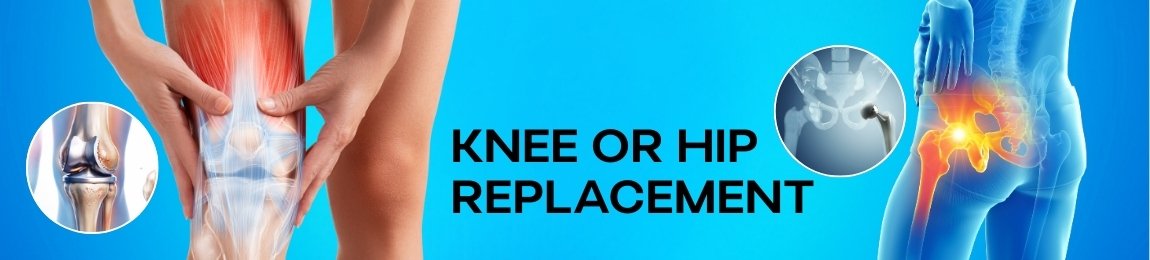
Signs You May Need a Knee or Hip Replacement
Knee and hip pain can slowly become part of daily life. At first, it may be a mild ache after walking or climbing stairs. Over time, it can turn into constant discomfort that affects sleep, work, and simple activities like getting up from a chair. Many people ignore these symptoms, hoping they will go away on their own. However, when joint damage becomes severe, surgery may be the most effective way to restore movement and quality of life.
Joint replacement surgery is a common and safe procedure that replaces a damaged knee or hip joint with an artificial one. But how do you know when it is time to consider this option? Let us look at the most common signs that indicate you may need a knee or hip replacement.
Ongoing Joint Pain That Does Not Go Away
One of the earliest and most important signs is pain that does not improve with rest, medicines, or physiotherapy. Occasional pain after physical activity is normal, but if you feel pain every day or even at night, it may mean the joint has been seriously damaged.
You may notice:
- Pain while walking or standing
- Pain that wakes you up at night
- Pain even when you are sitting or lying down
When pain becomes constant and starts interfering with daily life, it is a strong signal that the joint is no longer working properly.
Difficulty Walking or Climbing Stairs
Healthy knees and hips allow you to walk, climb stairs, and move freely. If you find yourself struggling with these activities, it may be due to worn-out joint surfaces.
Common problems include:
- Needing support while walking
- Feeling unstable on stairs
- Taking smaller or slower steps
- Avoiding long walks due to pain
If simple movements feel difficult or unsafe, it often means the joint has lost its strength and smooth movement.
Stiffness That Limits Your Movement
Stiffness is another warning sign, especially in the morning or after sitting for a long time. You may find it hard to bend your knee, straighten your leg, or move your hip freely.
You may notice:
- Trouble getting out of bed
- Difficulty sitting down or standing up
- Reduced ability to bend or rotate the joint
As joint damage increases, the range of motion becomes limited, making everyday tasks more challenging.
Swelling and Inflammation in the Joint
Swelling around the knee or hip is often a sign of inflammation caused by arthritis or joint damage. This swelling may come and go at first, but over time it can become more frequent and painful.
If the joint looks or feels swollen, warm, or tender, and it does not settle with basic treatment, it may indicate that the joint surface has worn away.
Joint Deformity or Change in Shape
In advanced joint problems, the shape of the knee or hip may start to change. You might notice:
- Bowing of the legs
- A crooked or uneven appearance
- A feeling that the joint is not aligned properly
These changes happen when cartilage is lost and bones begin to rub against each other, leading to joint damage.
Reduced Ability to Perform Daily Activities
When knee or hip pain starts to limit simple daily activities, it is a serious concern. You may find it difficult to:
- Sit or stand comfortably
- Use the toilet
- Get into or out of a car
- Walk around the house
If pain and stiffness prevent you from living independently or enjoying life, joint replacement may help restore function.
No Relief from Medicines or Other Treatments
Many people try painkillers, injections, exercise, or physiotherapy before considering surgery. These treatments can be helpful in early stages, but when joint damage becomes severe, they may stop working.
If you have tried:
- Pain relief medicines
- Physiotherapy
- Lifestyle changes
- Injections
and still feel significant pain, it may be time to talk to a doctor about surgical options.
Grinding or Clicking Sensation in the Joint
A grinding, popping, or clicking feeling in the knee or hip is often caused by bone rubbing against bone. This happens when the protective cartilage wears away.
You may feel or hear:
- A grinding sound while moving
- A catching or locking sensation
- Pain during movement
These are signs of advanced joint wear.
Poor Sleep Due to Joint Pain
Pain that disturbs your sleep is not normal. If knee or hip pain makes it hard to fall asleep or wakes you up at night, it is a strong sign that the joint problem is serious.
Good sleep is essential for health and recovery. When pain stops you from resting properly, it affects both physical and mental wellbeing.
What Causes the Need for Joint Replacement?
The most common reasons include:
- Osteoarthritis – age-related wear and tear
- Rheumatoid arthritis – an inflammatory condition
- Injury or fracture
- Joint deformities
Over time, these conditions damage the joint, leading to pain, stiffness, and reduced movement.
When Should You Consider Seeing a Doctor?
You should consult an orthopaedic specialist if:
- Pain is severe or constant
- Movement is restricted
- Daily life is affected
- Other treatments have failed
A doctor will examine the joint, take X-rays or scans, and advise whether surgery is needed.
Life After Knee or Hip Replacement
Modern joint replacement surgery has helped millions of people return to active, pain-free lives. After recovery, most patients can:
- Walk comfortably
- Climb stairs
- Sleep better
- Enjoy daily activities
Physiotherapy and rehabilitation play an important role in recovery and long-term success.
Frequently Asked Questions (FAQs)
How do I know if my knee or hip pain is serious?
If your pain is constant, affects sleep, or limits daily activities like walking, sitting, or climbing stairs, it may be a sign of advanced joint damage and should be evaluated by a doctor.
Can joint pain improve without surgery?
At what age is knee or hip replacement usually done?
Is joint replacement surgery safe?
How long does it take to recover after joint replacement?
When should I see a doctor about joint replacement?
Knee and hip problems do not have to control your life. If you are living with constant pain, stiffness, or difficulty in movement, it may be time to consider whether joint replacement is the right option for you. Recognising the signs early can help you get the right treatment and improve your quality of life.
Listening to your body and seeking medical advice at the right time can make a big difference. With proper care and the right treatment, many people are able to return to a more comfortable and active lifestyle.
.svg)
.svg)