General Surgery and Laparoscopic Surgery:
Our General Surgery and Laparoscopic Surgery Department is committed to delivering high-quality, comprehensive surgical care with a focus on patient well-being and optimal outcomes. Led by a team of skilled surgeons, we offer a wide range of surgical services to address various medical conditions.
General Surgery:
- Appendectomy: Surgical removal of the appendix, often performed in cases of appendicitis.
- Cholecystectomy: Removal of the gallbladder, typically done for gallstones or gallbladder inflammation.
- Hernia Repair: Surgical correction of a hernia, which is the protrusion of an organ or tissue through an abdominal wall opening.
- Colectomy: Removal of a part or the entire colon, often performed to treat conditions like colorectal cancer or inflammatory bowel disease.
- Thyroidectomy: Surgical removal of the thyroid gland, commonly done for thyroid cancer or certain thyroid disorders.
- Breast Surgery: Procedures such as lumpectomy or mastectomy for the treatment of breast cancer or other breast conditions.
- Gastrectomy: Removal of part or all of the stomach, often performed for stomach cancer or severe ulcers.
- Hemorrhoidectomy: Surgical removal of hemorrhoids, which are swollen blood vessels in the rectum or anus.
- Parathyroidectomy: Removal of one or more of the parathyroid glands, usually to treat hyperparathyroidism.
- Soft Tissue Mass Excision: Removal of abnormal masses or tumors in soft tissues.
Laparoscopic Surgery:
- Laparoscopic Cholecystectomy: Minimally invasive removal of the gallbladder using small incisions and a camera (laparoscope).
- Laparoscopic Appendectomy: Minimally invasive removal of the appendix, often performed in cases of appendicitis.
- Laparoscopic Hernia Repair: Minimally invasive correction of hernias using a laparoscope and small incisions.
- Laparoscopic Colectomy: Minimally invasive removal of part or all of the colon, performed using laparoscopic techniques.
- Laparoscopic Nissen Fundoplication: Minimally invasive procedure to treat gastroesophageal reflux disease (GERD) by wrapping the top of the stomach around the lower esophagus.
- Laparoscopic Hysterectomy: Minimally invasive removal of the uterus using a laparoscope.
- Laparoscopic Splenectomy: Minimally invasive removal of the spleen using laparoscopic techniques.
- Laparoscopic Adrenalectomy: Minimally invasive removal of one or both adrenal glands.
- Laparoscopic Ovarian Cystectomy: Minimally invasive removal of ovarian cysts using laparoscopic instruments.
- Laparoscopic Inguinal Hernia Repair: Minimally invasive repair of inguinal hernias using laparoscopic techniques.
Patient-Centric Approach:
- Individualized Treatment Plans: We understand that each patient is unique. Our surgeons develop personalized treatment plans, considering the specific medical condition, overall health, and patient preferences.
- Preoperative Counseling: Our team provides comprehensive preoperative counseling to ensure patients are well-informed and comfortable with the surgical process.
Doctors

Dr. Murtaza Ali Akhtar
Dr. Murtaza Akhtar is a Professor & Head of the Department of Surgery NKPSIMS Director, Clinical Epidemiology Unit, (INCLEN Inc. USA, Funded) Govt. Medical College, Nagpur
Read more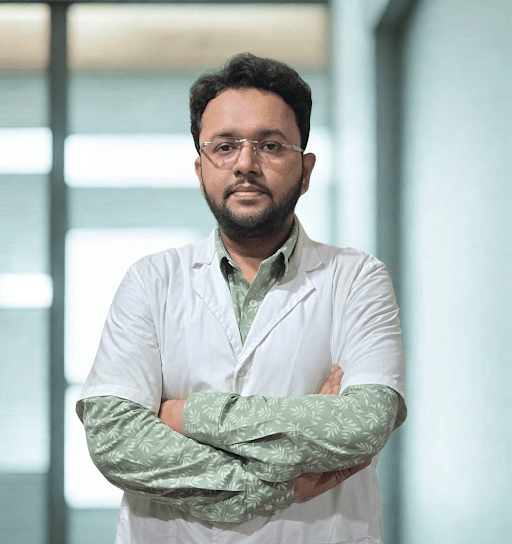
Frequently Asked Questions(FAQ’s)
What general and laparoscopic surgeries are offered at Synergy Hospital?
The hospital provides a wide range of surgical services, including appendectomy, cholecystectomy, hernia repair, colectomy, thyroidectomy, breast surgery, gastrectomy, hemorrhoidectomy, parathyroidectomy, and soft tissue mass excision. Laparoscopic procedures such as laparoscopic cholecystectomy, appendectomy, hernia repair, colectomy, Nissen fundoplication, hysterectomy, splenectomy, adrenalectomy, ovarian cystectomy, and inguinal hernia repair are also performed.
Who leads the general surgery department at Synergy Hospital?
The department is led by experienced surgeons, including Dr. Mohammad Mudassir and Dr. Murtaza Ali Akhtar, who specialize in general and laparoscopic surgeries.
What is the difference between general and laparoscopic surgery?
General surgery involves traditional open surgical procedures, while laparoscopic surgery uses small incisions and a camera (laparoscope) for minimally invasive procedures, leading to quicker recovery times and reduced scarring.
Are the surgical procedures safe?
Yes, all procedures are performed by skilled surgeons using state-of-the-art equipment, adhering to strict safety protocols to ensure patient safety and optimal outcomes.
What is the recovery time after surgery?
Recovery time varies depending on the procedure performed. Laparoscopic surgeries generally offer quicker recovery times compared to traditional open surgeries.
.svg)
.svg)