
What Is a Pulmonary Function Test and Why Your Doctor Recommends It
Breathing is something most of us take for granted until it becomes difficult. Whether it’s shortness of breath during a simple walk or a lingering cough that won’t go away, respiratory symptoms can disrupt daily life in unexpected ways. That’s where a Pulmonary Function Test (PFT) comes in.
If your doctor has ever suggested a PFT, you may have wondered what it involves and why it’s necessary. This blog breaks it down in a simple, human way so you understand not just the “what,” but also the “why” behind this important diagnostic tool.
What Is a Pulmonary Function Test (PFT)?
A Pulmonary Function Test is a group of non-invasive tests that measure how well your lungs are working. These tests evaluate:
- How much air your lungs can hold
- How quickly you can move air in and out
- How efficiently your lungs deliver oxygen to your bloodstream
In simple terms, a PFT gives your doctor a detailed picture of your lung health, helping them detect issues that may not be visible through routine checkups or imaging alone.
Why Do Doctors Recommend a PFT?
1. To Monitor Existing Lung Conditions
If you’ve already been diagnosed with a respiratory condition, regular PFTs help track how your lungs are performing over time. This is especially useful in adjusting medications and evaluating the effectiveness of your current asthma treatment.
2. To Evaluate the Impact of Environmental or Occupational Exposure
Long-term exposure to dust, chemicals, or pollution can silently damage your lungs. A PFT can detect early changes, even before symptoms become severe.
3. To Assess Lung Function Before Surgery
Before certain surgeries especially those involving the chest or abdomen your doctor may recommend a PFT to ensure your lungs can handle the stress of anesthesia and recovery.
4. To Diagnose Breathing Disorders
If you’ve been experiencing persistent cough, wheezing, or shortness of breath, a PFT can help identify the root cause. It plays a key role in diagnosing conditions like asthma, chronic bronchitis, and other respiratory illnesses.
Doctors rely on PFT results to distinguish between different types of breathing problems, ensuring you receive the right treatment from the start.
Types of Pulmonary Function Tests
Spirometry (The Most Common Test)
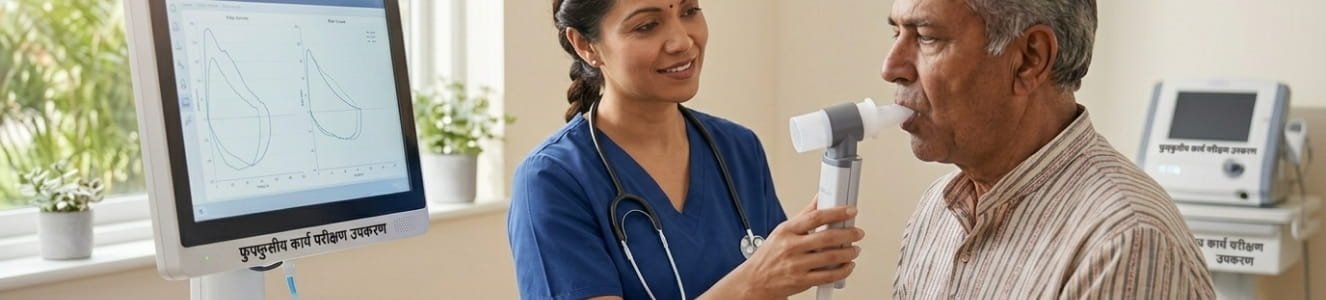
Spirometry measures how much air you can inhale and exhale, and how fast you can do it. You’ll be asked to breathe into a mouthpiece connected to a machine that records your results.
Lung Volume Tests
These tests measure the total amount of air your lungs can hold. They are particularly useful in diagnosing restrictive lung diseases where lung expansion is limited.
Diffusion Capacity Test
This test evaluates how effectively oxygen moves from your lungs into your bloodstream. It’s often used to assess conditions affecting the lung tissue.
What to Expect During the Test
One of the biggest concerns patients have is whether the test is uncomfortable. The good news? It’s safe, simple, and usually completed within 30 to 60 minutes.
Here’s what typically happens:
- You’ll be seated comfortably and asked to wear a nose clip
- A technician will guide you through breathing exercises
- You may be asked to take deep breaths or blow out forcefully
- Some tests may be repeated for accuracy
While it may feel slightly tiring, especially if you’re already experiencing respiratory issues, the process is completely painless.
Preparing for a Pulmonary Function Test
To ensure accurate results, your doctor may advise a few precautions:
- Avoid heavy meals before the test
- Refrain from smoking for several hours
- Skip certain medications if instructed
- Wear loose, comfortable clothing
Following these steps helps ensure your results reflect your true lung function.
Understanding Your Results
PFT results are usually compared to standard values based on your age, height, gender, and ethnicity. Your doctor will explain:
- Whether your lung function is normal
- If there is any obstruction or restriction
- How severe the condition might be
It’s important not to self-interpret the results always rely on a qualified medical professional for accurate insights.
When Should You Consider a PFT?
You don’t always need to wait for severe symptoms. Consider speaking to your doctor about a PFT if you notice:
- Frequent shortness of breath
- Chronic cough lasting more than a few weeks
- Wheezing or chest tightness
- Reduced stamina during physical activity
Early detection often leads to better outcomes and more effective treatment plans.
The Role of PFT in Preventive Healthcare
Modern healthcare is shifting from reactive treatment to proactive prevention. A Pulmonary Function Test plays a critical role in this approach by identifying issues before they escalate.
For individuals at higher risk such as smokers, industrial workers, or those with a family history of lung disease routine PFTs can be a game-changer.
In simple terms, a PFT gives your doctor a detailed picture of your lung health, helping them detect issues that may not be visible through routine checkups or imaging alone.
Why Trust Your Doctor’s Recommendation?
Doctors don’t recommend tests without reason. A PFT is often suggested when there’s a genuine need to understand your respiratory health more deeply.
It’s not just about diagnosing illness it’s about creating a personalized care plan that supports long-term wellness.
Frequently Asked Questions (FAQs)
Is a Pulmonary Function Test painful?
No, it’s a completely non-invasive and painless procedure. You may feel slightly tired from repeated breathing exercises, but that’s about it.
How long does the test take?
Can children undergo a PFT?
Do I need to stop my medications before the test?
How often should I get a PFT?
Your lungs are central to your overall well-being, yet they’re often overlooked until something goes wrong. A Pulmonary Function Test is a simple yet powerful way to stay ahead of potential issues.
Early diagnosis through a Pulmonary Function Test can make a significant difference in your treatment and recovery journey.If you are looking for the best pulmonology hospital in Nagpur, where advanced diagnostic tools and experienced pulmonologists come together to provide accurate evaluation and personalized care. Book your appointment today and take control of your respiratory health with confidence.